🕒 4 min read · 📝 744 words
✅ Page1 of 2 – A Clear Overview of the Covenant Pattern of Delusion, Discipline, and Restoration
A Unified Summary of Pages 1 and 2
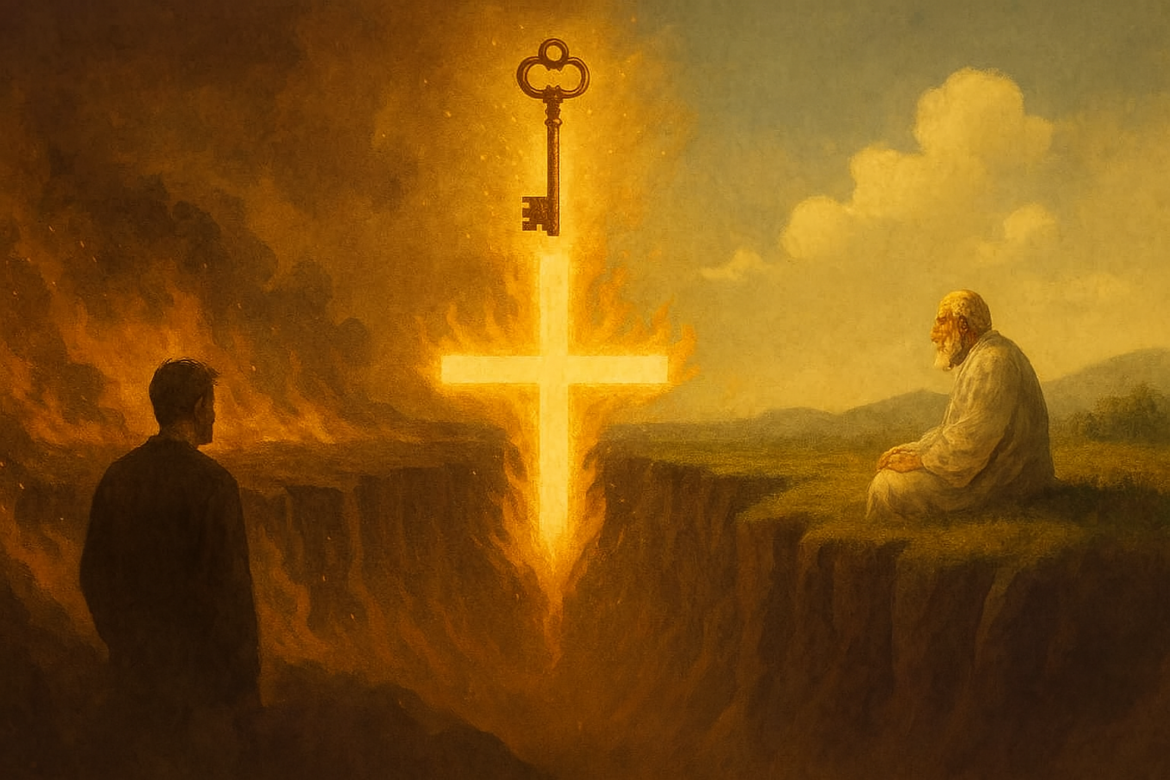
Scripture reveals a consistent covenant pattern describing how spiritual decline unfolds and how God restores His people. The key covenant truth is simple:
Faith is the believer’s responsibility. Obedience is God’s work. When faith is maintained, grace (Titus 2:11-12) empowers obedience. When faith collapses, delusion begins — indicating that the Day of the Lord has been implemented.
This pattern appears in Jesus’ parables, Paul’s warnings, the Day‑of‑the‑Lord imagery, and the covenantal logic of Matthew 5.
✅ 1. Gradual Decline — Faith Weakens, the Heart Drifts
Spiritual decline begins when faith is no longer actively maintained. The heart becomes distracted by:
- cares
- riches
- desires for other things
This is the erosion of the one covenant condition God requires — faith.
When faith weakens, growth in grace slows (2 Peter 3:18), and obedience cannot flourish.
✅ 2. Delusion — The Day of the Lord Begins
If faith collapses into willful sin, the believer enters unwatchfulness:
- a veil
- darkened understanding
- smoke‑blinding
- delusion -believe a lie
This is the judgment called the “Day of the Lord” — it is the first woe of Rev 9:12, it is the darkness in which judgment arrives
Paul says:
“God shall send them strong delusion (planē)…” — 2 Thess 2:11
This is the moment the Day of the Lord begins. Delusion is the threshold of the Day — the thief‑like beginning.
The Christian has neglected to search their own hearts Ps 4:4.
They believe the lie that their willful sin is not really that bad 2 Thess 2:11.
✅ 3. Thief‑Like Arrival — Judgment Begins Unnoticed in Delusion
Jesus warns that He comes “as a thief” to those who are not watching.
The Thief imagery emphasizes:
- stealth
- unawareness
- vulnerability
This is the quiet arrival of discipline. The believer does not perceive that the Day has begun.
This corresponds to:
- the first woe (torment for correction)
- the prison of Matthew 5
- Job’s anguish before repentance
✅ 4. Lightning‑Like Manifestation — God’s Restoring Intervention
Lightning imagery emphasizes:
- suddenness
- visibility
- decisiveness
This is the public manifestation of the judgment that began quietly. To the unprepared, it feels catastrophic. To the faithful, it is God’s decisive intervention.
One event. Two perspectives.
Obedient believers are told to flee from these situations when they understand that discipline for willful sin is approaching (Matt 24:28).
✅ 5. The Second and Third Woes — Spiritual Death and the Loss of Hearing
The second woe permits death — not merely physical death, but the deeper reality of spiritual death while physically alive, the condition Jesus describes when He says some “have a name that they live, but are dead Rev 3:1.”
The third woe reveals the full maturity of judgment: the cessation of hearing Christ’s voice (Rev 18:23), the silence that exposes the depth of the fallen condition.
The first two woes are destruction — they are the stages of discipline that should lead to restoration. The third is hardened deception/rebellion.
✅ 6. The Covenant Logic — Judgment Restores the Bond
The entire pattern rests on one truth:
Faith maintained = life. Faith neglected = delusion, discipline, and exposure to judgment.
God’s judgment should be restorative, not destructive, for the believer. It interrupts decline, confronts delusion, and brings the believer back into the bond of the covenant.
Ezekiel 20:37 KJV — And I will cause you to pass under the rod, and I will bring you into the bond of the covenant:
This is the consistent testimony of:
- 2 Thessalonians 2
- 1 Corinthians 11
- Ezekiel 20
- Revelation 3
- Job’s restoration
- Israel’s history
✅ 7. The Positive Counterpart — The Unbroken Gaze
Paul’s language (“in a moment… in the twinkling/casting of an eye”, 1 Cor 15:52) describes:
- an unbroken, steady gaze
- a continuous posture of faith
This maintained gaze at Jesus produces ongoing transformation — the opposite of the thief–lightning pattern.
✅ 8. Enoch — The Early Witness
Enoch “walked with God” and was translated — a picture of a believer who maintained faith and entered the realm of life rather than the Adamic line of corruption He inherited.
Enoch represents the born again believer – the unbroken gaze, the maintained bond, the life of resurrection before physical death, Col 3:1.
✅ Summary Statement
The Thief–Lightning Framework shows how spiritual decline begins when faith is no longer maintained (Rm 10:17), leading to delusion and unnoticed exposure to discipline.
The Day of the Lord begins quietly, like a thief, and ends in lightning — God’s decisive intervention that should restore the believer to confession (1 Thess 4:16), obedience, and covenant life.
One event. Two perspectives. One purpose: restoration.